What Is Health Information Technology and Why It Matters in 2025 sets the stage for this enthralling narrative, offering readers a glimpse into a story that is rich in detail with casual formal language style and brimming with originality from the outset.
As we delve into the realm of Health Information Technology (HIT), we uncover a world where innovation and healthcare converge to shape a brighter future.
Introduction to Health Information Technology (HIT)
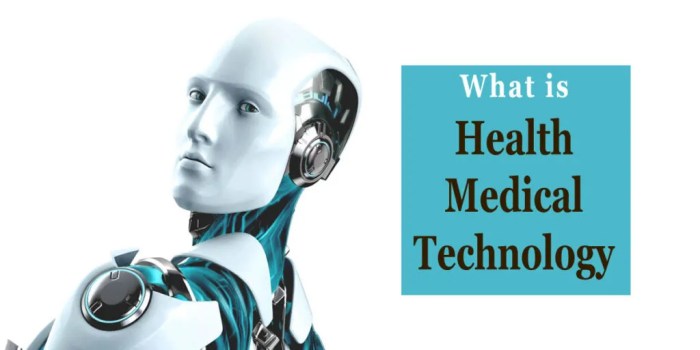
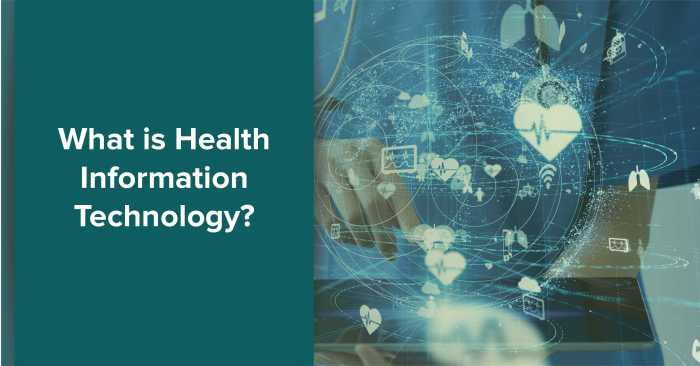
Health Information Technology (HIT) refers to the use of technology in the healthcare sector to manage, store, and exchange health information electronically. It encompasses a wide range of tools and systems designed to improve the quality, efficiency, and safety of healthcare delivery.
Role of HIT in Improving Patient Care and Outcomes
- Streamlining Communication: HIT allows healthcare providers to easily share patient information, ensuring coordinated care and reducing the risk of errors.
- Enhancing Decision-making: By providing access to comprehensive patient data, HIT enables healthcare professionals to make informed decisions that lead to better outcomes.
- Empowering Patients: Through patient portals and health apps, HIT promotes patient engagement and self-management, leading to improved health outcomes.
Evolution of HIT and Significance in 2025
- Historical Perspective: HIT has evolved from paper-based records to electronic health records (EHRs), allowing for more efficient data management and retrieval.
- Interoperability: In 2025, HIT systems are expected to be more interoperable, enabling seamless sharing of patient information across different healthcare settings.
- Population Health Management: HIT plays a crucial role in population health management by analyzing data to identify trends, patterns, and risks, ultimately improving public health outcomes.
Components of Health Information Technology
Health Information Technology (HIT) encompasses various components that play crucial roles in modern healthcare systems. These components are essential for improving patient care, streamlining operations, and enhancing overall efficiency within the healthcare industry.
EHR Systems (Electronic Health Records)
Electronic Health Records (EHR) systems are digital versions of patients' paper charts. They contain patients' medical history, diagnoses, medications, treatment plans, immunization dates, allergies, radiology images, and laboratory test results. EHR systems allow healthcare providers to have real-time access to critical patient information, enabling better coordination of care and improved patient outcomes.
Telemedicine
Telemedicine involves the use of technology to provide remote healthcare services, such as consultations, monitoring, and education. It allows patients to access healthcare professionals from the comfort of their homes, reducing the need for in-person visits and improving access to care, especially in rural or underserved areas.
Health Apps
Health apps are software applications designed to help individuals manage their health and wellness. These apps can track fitness activities, monitor vital signs, provide medication reminders, offer mental health support, and facilitate communication with healthcare providers. Health apps empower individuals to take control of their health by providing personalized tools and resources.
Importance of Interoperability
Interoperability is crucial in HIT systems as it enables different healthcare providers and systems to securely share and access patient information. Seamless data exchange between EHR systems, telemedicine platforms, and health apps ensures that healthcare professionals have a comprehensive view of patients' health records, leading to better-informed decision-making and coordinated care delivery.
Data Analytics and Artificial Intelligence
Data analytics and artificial intelligence (AI) play significant roles in leveraging health data to improve patient outcomes and operational efficiency. By analyzing large datasets, healthcare organizations can identify trends, predict outcomes, and personalize treatment plans. AI-powered technologies, such as machine learning algorithms, can assist in diagnosing diseases, optimizing workflows, and enhancing the overall quality of care.
Benefits of Health Information Technology
Health Information Technology (HIT) offers numerous advantages for healthcare providers, patients, and the healthcare system as a whole. By leveraging technology, HIT streamlines processes, improves patient care, and enhances overall efficiency in healthcare delivery.
Enhanced Patient Engagement and Empowerment
- Allows patients to access their health records online, leading to increased engagement in their own healthcare management.
- Enables secure communication between patients and healthcare providers, promoting better coordination of care and shared decision-making.
- Empowers patients with valuable health information, leading to improved health outcomes and increased satisfaction with the healthcare services received.
Healthcare Cost Reduction and Efficiency
- Reduces administrative costs by minimizing paperwork and streamlining processes through electronic health records (EHRs) and digital documentation.
- Prevents duplicate tests and procedures by providing healthcare providers with comprehensive patient information, leading to cost savings and improved quality of care.
- Improves efficiency in healthcare delivery by reducing medical errors, optimizing resource utilization, and enhancing overall workflow within healthcare facilities.
Challenges and Concerns in Health Information Technology
Health Information Technology (HIT) has revolutionized the healthcare industry, but it also comes with its fair share of challenges and concerns that need to be addressed for optimal utilization and effectiveness.
Common Challenges in the Adoption and Implementation of HIT
- Lack of interoperability between different systems, leading to difficulty in sharing and accessing patient information efficiently.
- High implementation costs and the need for ongoing maintenance can be a barrier for smaller healthcare facilities.
- Resistance to change among healthcare professionals who may be accustomed to traditional paper-based systems.
- Potential disruptions in workflow during the transition phase from paper to electronic systems.
Privacy and Security Issues Related to Health Data in HIT Systems
- The risk of unauthorized access to sensitive patient information, leading to breaches of confidentiality and privacy.
- Data breaches and cyber-attacks targeting health data, which can result in identity theft and fraud.
- Concerns regarding the ethical use of patient data for research or commercial purposes without consent.
- Compliance with regulations such as HIPAA to ensure the protection of patient information and privacy.
Potential Solutions to Address Challenges and Mitigate Concerns in HIT
- Improving interoperability standards to ensure seamless communication between different systems and healthcare providers.
- Investing in robust cybersecurity measures and encryption technologies to safeguard health data from unauthorized access.
- Providing comprehensive training and support for healthcare professionals to facilitate a smooth transition to HIT systems.
- Implementing strict access controls and authentication protocols to prevent data breaches and ensure data security.
Future Trends in Health Information Technology by 2025
The future of Health Information Technology (HIT) is poised for exciting advancements by 2025, revolutionizing the healthcare landscape in numerous ways. Let's delve into some of the key trends that are expected to shape the future of HIT.
Personalized Medicine and Genomics
Personalized medicine, also known as precision medicine, is set to become a prominent trend in HIT by 2025. This approach involves tailoring medical treatment to the individual characteristics of each patient, such as their genetic makeup, lifestyle, and environment. Genomics, the study of an individual's genes and their interactions, will play a crucial role in enabling personalized medicine.
By leveraging genomics data, healthcare providers can deliver more effective and targeted treatments, leading to better patient outcomes.
Role of Telehealth and Remote Monitoring
Telehealth and remote monitoring are expected to play a significant role in the future of healthcare by 2025. These technologies allow patients to access healthcare services remotely, eliminating the need for in-person visits to healthcare facilities. Telehealth enables virtual consultations, remote diagnosis, and monitoring of patients' health conditions from the comfort of their homes.
Remote monitoring devices, such as wearables and IoT-enabled sensors, provide real-time health data that can help healthcare providers make informed decisions and intervene proactively when needed.
Emerging Technologies: Blockchain and IoT
Blockchain technology and the Internet of Things (IoT) are emerging technologies that hold great promise for advancing HIT by 2025. Blockchain, with its decentralized and secure nature, can enhance data security, interoperability, and transparency in healthcare systems. It can facilitate secure sharing of patient health records, streamline data exchange between healthcare providers, and ensure the integrity of medical data.
IoT devices, interconnected through the internet, can collect and transmit vast amounts of health data in real-time, enabling continuous monitoring and personalized care for patients.
End of Discussion
In conclusion, the landscape of healthcare is evolving rapidly, with Health Information Technology poised to revolutionize the way we approach patient care and outcomes. The journey into 2025 promises exciting advancements and challenges that will shape the future of healthcare as we know it.
FAQ Section
What are the key components of Health Information Technology (HIT)?
Key components of HIT include Electronic Health Record (EHR) systems, telemedicine, and health apps that play a vital role in transforming healthcare delivery.
How does HIT enhance patient engagement and empowerment?
HIT enables patients to access their health information easily, communicate with healthcare providers, and actively participate in their care decisions, leading to improved engagement and empowerment.
What are some potential solutions to address challenges in HIT adoption?
Effective training programs for healthcare professionals, standardized data sharing protocols, and robust cybersecurity measures can help mitigate challenges in HIT adoption.