In today's digital age, the security of health data in the cloud is paramount for healthcare organizations looking to safeguard sensitive information. This article delves into the best practices and strategies for ensuring the protection of valuable health data through cloud technology.
Exploring the importance of encryption, access controls, and secure storage solutions, this guide aims to provide comprehensive insights into safeguarding health data in the ever-evolving landscape of cloud technology.
Importance of Securing Health Data in the Cloud
Securing health data in the cloud is of utmost importance for healthcare organizations to ensure the privacy, integrity, and availability of sensitive patient information. With the increasing digitization of healthcare records and the adoption of cloud technology, safeguarding this data has become a critical aspect of providing quality care and maintaining trust with patients.
Risks of Not Securing Health Data Properly
- Unauthorized Access: Without proper security measures, health data stored in the cloud can be vulnerable to unauthorized access by cybercriminals or malicious insiders.
- Data Breaches: Inadequate security protocols can lead to data breaches, resulting in the exposure of patients' personal and medical information, leading to reputational damage and legal consequences.
- Data Loss: Without proper backups and encryption, health data stored in the cloud may be at risk of loss due to system failures, natural disasters, or cyberattacks.
Regulatory Requirements and Standards
- The Health Insurance Portability and Accountability Act (HIPAA) in the United States sets forth strict guidelines for protecting the privacy and security of health information, including data stored in the cloud.
- The General Data Protection Regulation (GDPR) in the European Union also imposes regulations on the processing and storage of personal data, which includes health information.
- Healthcare organizations may need to comply with industry-specific standards such as HITRUST to demonstrate their commitment to safeguarding health data in the cloud.
Encryption and Data Protection Measures
Encryption plays a crucial role in safeguarding health data stored in the cloud. By implementing robust encryption practices, organizations can ensure that sensitive information remains secure from unauthorized access.
Best Encryption Practices
- Utilize strong encryption algorithms such as AES (Advanced Encryption Standard) to protect data both at rest and in transit.
- Implement encryption key management to securely store and manage encryption keys, ensuring that only authorized personnel have access.
- Regularly update encryption protocols to stay ahead of emerging threats and vulnerabilities.
Role of Access Controls
Access controls are essential in protecting sensitive health information by limiting who can view, modify, or delete data. By setting granular access permissions, organizations can ensure that only authorized users can access specific data sets.
- Implement role-based access control (RBAC) to assign access rights based on job roles and responsibilities.
- Enforce strong authentication measures such as multi-factor authentication to verify the identity of users accessing the data.
- Audit and monitor access logs to detect any unauthorized attempts to access or modify health data.
Data Masking Techniques
Data masking involves replacing sensitive information with realistic but fictional data to protect the original data from exposure. This technique enhances data protection in the cloud by ensuring that even if unauthorized users gain access, they cannot decipher the actual sensitive information.
- Use tokenization to replace sensitive data with tokens, ensuring the original data remains secure and confidential.
- Implement dynamic data masking to dynamically mask data based on user permissions, allowing legitimate users to see the actual data while masking it for unauthorized users.
- Employ format-preserving encryption to encrypt data in a way that maintains its original format, preserving data integrity while ensuring confidentiality.
Secure Cloud Storage Solutions
When it comes to securing health data in the cloud, healthcare organizations have various options for cloud storage solutions. Each option comes with its own benefits and limitations, so it's essential to understand the differences between private, public, and hybrid cloud storage.
Private Cloud Storage
Private cloud storage involves dedicated infrastructure that is solely used by a single organization. This provides a higher level of control and security over the data stored. However, it can be more costly to maintain and may require additional resources for management and upkeep.
Public Cloud Storage
Public cloud storage, on the other hand, is provided by third-party cloud service providers and is shared among multiple organizations. While it is more cost-effective and scalable, there may be concerns regarding data privacy and security. Organizations need to ensure robust encryption and access control measures to protect sensitive health data.
Hybrid Cloud Storage
Hybrid cloud storage combines elements of both private and public cloud storage. It allows organizations to take advantage of the scalability and cost-effectiveness of public cloud storage while maintaining control over sensitive data in a private cloud environment. This approach offers flexibility and customization options to meet specific data storage and security requirements.
Data Backup and Disaster Recovery Strategies
Implementing data backup and disaster recovery strategies is crucial for ensuring the availability and integrity of health data stored in the cloud. Organizations should regularly backup data to secure offsite locations and test their disaster recovery plans to ensure quick recovery in case of any data loss or system failure.
Multi-factor Authentication and Identity Management
Implementing multi-factor authentication and robust identity management solutions are crucial for securing access to health data in the cloud. These measures add an extra layer of protection beyond just passwords, significantly reducing the risk of unauthorized access and data breaches.
Best Practices for Implementing Identity and Access Management Solutions
- Utilize Single Sign-On (SSO) solutions to streamline access control and ensure consistent authentication across different systems and applications.
- Implement Role-Based Access Control (RBAC) to assign specific access permissions based on users' roles and responsibilities within the healthcare organization.
- Regularly review and update user access privileges to align with the principle of least privilege, limiting unnecessary access to sensitive health data.
- Employ strong password policies, including requirements for complex passwords, regular password changes, and multi-factor authentication for added security.
Role of Biometric Authentication in Enhancing Security Measures
Biometric authentication, such as fingerprint or iris scanning, offers a highly secure method of verifying users' identities based on unique biological characteristics. By incorporating biometric authentication into identity management systems for health data in the cloud, organizations can enhance security measures and reduce the risk of identity theft or unauthorized access.
Final Conclusion
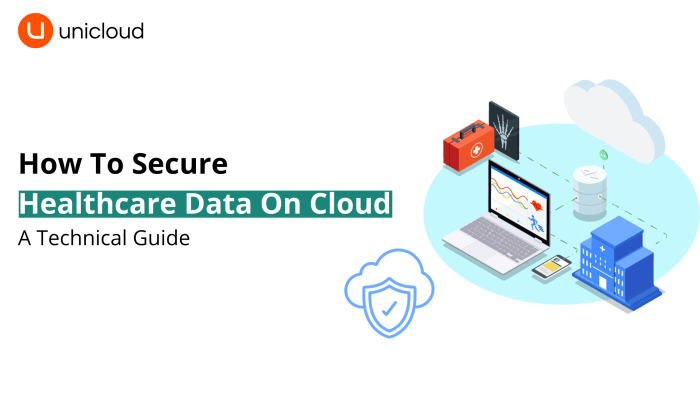
As we conclude our discussion on Best Practices for Securing Health Data With Cloud Technology, it is clear that prioritizing data security is crucial in the healthcare sector. By following the Artikeld strategies and embracing technological advancements, organizations can fortify their defenses and uphold the integrity of patient information in the digital realm.
FAQ Corner
What are the potential risks of not securing health data properly in the cloud?
Failure to secure health data in the cloud can lead to data breaches, unauthorized access, compromised patient privacy, and regulatory non-compliance.
How can data masking techniques enhance data protection in the cloud?
Data masking techniques help conceal sensitive information by replacing original data with fictional data, reducing the risk of exposure in case of unauthorized access.
What is the role of biometric authentication in enhancing security measures for health data?
Biometric authentication uses unique biological traits like fingerprints or facial recognition to verify identities, providing an additional layer of security beyond traditional passwords.