In the realm of Blending Work and Life in a Remote Digilife Setup, a delicate balance is struck between professional responsibilities and personal well-being. As we delve into this topic, an array of strategies and insights await, guiding us through the intricacies of harmonizing work and life in a digital landscape.
Exploring the essence of a remote digilife setup unveils a realm where productivity meets comfort, and technology intertwines seamlessly with daily routines.
Defining the Remote Digilife Setup
In a remote digilife setup, individuals integrate their work and personal life using digital tools and technologies to effectively manage their tasks, communication, and activities. This setup allows for flexibility and convenience in balancing professional responsibilities with personal commitments.
Key Components of a Remote Digilife Setup
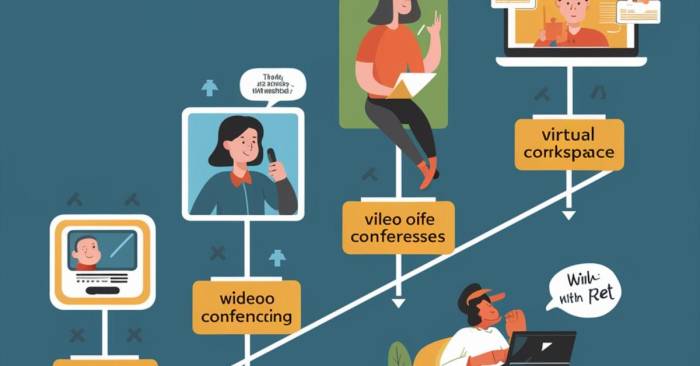
- Virtual Communication Tools: Platforms like Slack, Zoom, or Microsoft Teams facilitate real-time communication and collaboration among remote team members.
- Project Management Software: Tools such as Trello, Asana, or Monday.com help in organizing tasks, setting deadlines, and tracking progress efficiently.
- Cloud Storage Solutions: Services like Google Drive, Dropbox, or OneDrive enable easy access to files and documents from anywhere, ensuring seamless workflow.
- Time Tracking Apps: Applications like Toggl, Harvest, or RescueTime assist in monitoring work hours, improving productivity, and maintaining a healthy work-life balance.
Examples of Tools and Technologies in a Remote Digilife Setup
- Slack:A popular instant messaging platform for team communication, file sharing, and integration with various productivity apps.
- Trello:A visual project management tool that uses boards, lists, and cards to organize tasks and collaborate with team members.
- Zoom:A video conferencing software for virtual meetings, webinars, and remote presentations, enhancing remote communication and collaboration.
- Google Drive:A cloud storage service that allows users to store, sync, and share files securely, promoting easy access and collaboration on documents.
Balancing Work and Life
Maintaining a healthy work-life balance is crucial in a remote digilife setup to prevent burnout and ensure overall well-being. Setting boundaries between work and personal life is essential for productivity and mental health.
Strategies for Balancing Work and Life
- Establish a designated workspace: Create a separate area in your home dedicated solely to work to help mentally separate work from personal life.
- Set clear work hours: Define specific work hours and stick to them to avoid overworking and ensure time for personal activities.
- Take breaks: Schedule regular breaks throughout the day to recharge and prevent burnout.
- Communicate boundaries: Clearly communicate your availability to colleagues and family members to avoid interruptions during personal time.
- Prioritize self-care: Make time for activities that promote physical and mental well-being, such as exercise, hobbies, and relaxation.
Challenges of Balancing Work and Life in Remote Digilife Setup vs. Traditional Office Setting
- Increased flexibility in a remote digilife setup can blur the lines between work and personal life, making it challenging to disconnect.
- Lack of physical separation between work and home environments can lead to longer work hours and difficulty in switching off from work mode.
- In a traditional office setting, there is a clear boundary between work and personal life due to the physical separation of the workspace, making it easier to leave work behind at the end of the day.
- Remote work requires more self-discipline to maintain work-life balance without the external structure provided by a traditional office.
Creating an Optimal Workspace
Creating a workspace that is conducive to productivity is essential when working remotely in a digital setup. A well-designed workspace can improve focus, efficiency, and overall well-being.
Importance of Ergonomics
One of the key aspects of setting up a productive workspace is considering ergonomics. Ergonomics focuses on designing the workspace to fit the individual's needs, promoting comfort and reducing the risk of musculoskeletal issues.
- Invest in an ergonomic chair that supports your lower back and promotes good posture.
- Ensure your computer screen is at eye level to prevent neck strain.
- Position your keyboard and mouse at a comfortable height to avoid wrist pain.
Incorporating Nature and Personalization
Bringing elements of nature or personalization into your workspace can help create a more inviting and inspiring environment.
- Place a potted plant or fresh flowers on your desk to add a touch of nature and improve air quality.
- Decorate your workspace with personal photos, artwork, or motivational quotes to make it feel uniquely yours.
- Consider using natural light or adding a desk lamp with warm lighting to create a cozy atmosphere.
Managing Time Effectively
In a remote digilife setup, managing time effectively is crucial to maintain a healthy balance between work and personal life. By implementing time management techniques, individuals can optimize productivity and reduce stress levels.
Time Blocking for Productivity
Time blocking is a popular technique where you divide your day into specific blocks of time dedicated to different tasks or activities. This helps in focusing on one task at a time and avoiding distractions. By setting clear boundaries between work and personal time, you can ensure a more structured routine.
- Start by creating a daily schedule outlining your work hours, breaks, and personal activities.
- Allocate specific time blocks for tasks such as checking emails, attending meetings, and working on projects.
- Use tools like Google Calendar, Trello, or Notion to organize and visualize your time blocks effectively.
By sticking to a set schedule and prioritizing tasks, time blocking can help you stay on track and make the most out of your day.
Utilizing Time Management Apps
There are various tools and apps available that can assist in managing time efficiently in a remote work environment.
- Toggl:A time tracking tool that helps you monitor how you spend your time on different tasks.
- RescueTime:Tracks your digital activity and provides insights on productivity levels.
- Focus@Will:Offers personalized music tracks to enhance focus and concentration during work hours.
These time management apps can provide valuable data and insights to improve your work habits and productivity in a remote setup.
Wrap-Up
As we reach the end of this discourse on Blending Work and Life in a Remote Digilife Setup, the tapestry of insights woven unveils a roadmap to achieving equilibrium in a digital realm. Embracing the blend of work and life, we embark on a journey towards enhanced productivity and enriched personal well-being.
Helpful Answers
How can I maintain a healthy work-life balance in a remote digilife setup?
Setting boundaries, establishing a routine, and prioritizing self-care are key in achieving a healthy work-life balance in a remote digilife setup.
What tools or technologies are commonly used in a remote digilife setup?
Popular tools include project management software, communication platforms like Slack or Zoom, and cloud storage solutions for remote work collaboration.
Why is ergonomics important in setting up a workspace for remote work?
Ergonomics plays a vital role in maintaining physical health and comfort while working remotely, reducing the risk of musculoskeletal issues.