
Digital Wellness Habits for a Healthier Digilife sets the stage for this enthralling narrative, offering readers a glimpse into a story that is rich in detail with casual formal language style and brimming with originality from the outset.
In today's technology-driven world, maintaining good digital wellness habits is crucial for a healthier digital life. From setting healthy screen time limits to managing digital distractions, this guide explores various strategies to help you lead a more balanced and mindful digital lifestyle.
Importance of Digital Wellness
Having good digital wellness habits is crucial for maintaining a healthier digital life in today's technology-driven world. It involves managing our online activities to ensure a balanced and positive relationship with technology.
Potential Risks of Neglecting Digital Wellness
Neglecting digital wellness can lead to various risks that can impact both mental and physical well-being:
- Increased stress and anxiety from constant digital noise and information overload.
- Poor posture and musculoskeletal issues due to prolonged screen time and sedentary behavior.
- Sleep disturbances caused by excessive screen time before bed, disrupting the body's natural sleep-wake cycle.
Impact of Poor Digital Wellness Habits
Poor digital wellness habits can have detrimental effects on our overall well-being:
- Decreased productivity and focus as a result of frequent distractions from notifications and social media.
- Isolation and reduced social interaction due to excessive screen time, leading to feelings of loneliness.
- Increased risk of digital addiction and dependence on technology for validation or entertainment.
Establishing Healthy Screen Time Limits
In today's digital age, it's important to set boundaries for screen time to maintain a healthy balance in our lives. Excessive screen time can have negative effects on both our physical and mental well-being, making it crucial to find ways to reduce it and incorporate more offline activities into our daily routines.
Tips for Setting Boundaries
- Establish specific times for using devices, such as during meals or before bedtime.
- Use apps or tools that track your screen time and set limits for certain apps or websites.
- Create tech-free zones in your home, like the bedroom or dining area.
Effects of Excessive Screen Time
Excessive screen time has been linked to various health issues, including:
- Eye strain and vision problems
- Obesity and poor physical health due to sedentary behavior
- Sleep disturbances and insomnia
Strategies for Reducing Screen Time
- Engage in hobbies or activities that don't involve screens, such as reading, exercising, or spending time outdoors.
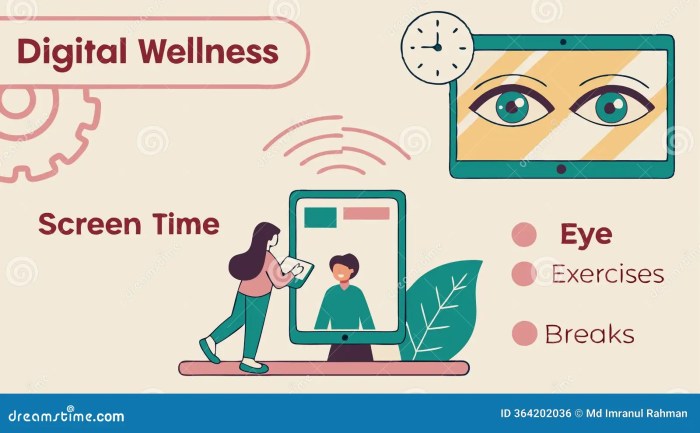
- Schedule regular breaks from screens, aiming for at least a few minutes every hour.
- Set goals for reducing screen time gradually, allowing yourself time to adjust to the changes.
Managing Digital Distractions
In today's digital age, distractions are everywhere, hindering our productivity and well-being. It's important to recognize common digital distractions and implement strategies to minimize their impact on our daily lives.
Identifying Common Digital Distractions
- Social media notifications: Constant alerts from social media platforms can disrupt focus.
- Email overload: An overflowing inbox can lead to constant checking and loss of concentration.
- Multitasking: Trying to juggle multiple tasks simultaneously can reduce efficiency and increase distractions.
- Online ads: Intrusive ads can divert attention from the task at hand.
Techniques for Minimizing Distractions
- Turn off notifications: Disable non-essential notifications on your devices to avoid unnecessary interruptions.
- Set designated work/study hours: Establish specific time blocks for focused work without distractions.
- Use website blockers: Utilize tools that block access to distracting websites during work or study sessions.
- Practice mindfulness: Stay present and focused on the task at hand to reduce the impact of distractions.
Creating a Distraction-Free Digital Environment
- Organize your digital workspace: Keep your desktop clutter-free and organized to minimize distractions.
- Set boundaries: Communicate with others about your need for uninterrupted work time to create a distraction-free environment.
- Designate tech-free zones: Establish areas in your home where digital devices are not allowed to promote focus and mental clarity.
Practicing Mindful Tech Usage
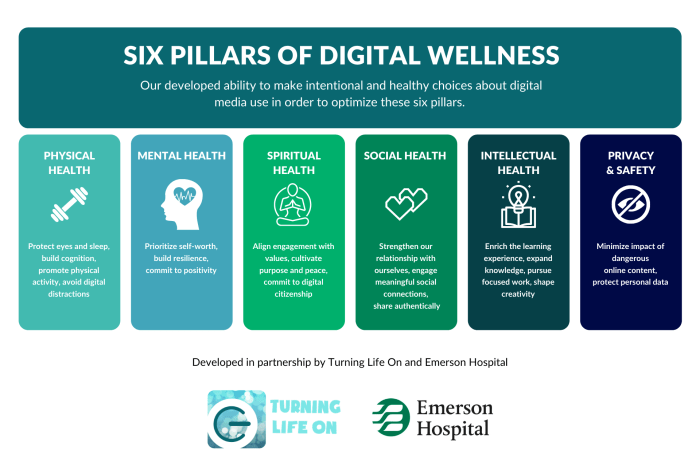
Practicing mindful tech usage involves being intentional and aware of how we interact with technology to promote digital wellness. It focuses on being present in the moment and using technology in a way that enhances our well-being rather than detracting from it.
Mindfulness Techniques for Using Technology
- Awareness of Screen Time: Set specific time limits for different types of technology use and be mindful of how much time you spend on screens each day.
- Practice Digital Detox: Take regular breaks from technology to reset your mind and focus on other activities or hobbies.
- Single-Tasking: Focus on one task at a time when using technology to avoid distractions and improve productivity.
- Deep Breathing Exercises: Incorporate deep breathing techniques when using technology to stay calm and centered.
Benefits of Mindful Tech Usage
- Reduced Stress and Anxiety: Mindful tech usage can help lower stress levels and promote a sense of calmness in our digital lives.
- Improved Focus and Productivity: By being more intentional with technology use, we can enhance our focus and productivity on tasks.
- Better Sleep Quality: Limiting screen time before bed and practicing mindfulness can improve sleep quality and overall well-being.
- Enhanced Digital Well-Being: Incorporating mindfulness practices into daily digital routines can lead to a healthier relationship with technology and a more balanced lifestyle.
Balancing Work and Personal Life Online
In today's digital age, it can be challenging to maintain a healthy balance between work responsibilities and personal life while being constantly connected online. However, with the right strategies and boundaries in place, it is possible to achieve a harmonious blend of both worlds.
Setting Clear Boundaries
One of the key strategies for balancing work and personal life online is to establish clear boundaries. This could involve setting specific work hours and sticking to them, as well as designating certain times for personal activities that are free from work-related distractions.
Avoiding Multitasking
Multitasking between work and personal tasks online can lead to decreased productivity and increased stress. It is essential to focus on one task at a time to ensure quality work and dedicated personal time without feeling overwhelmed.
Utilizing Technology Tools
There are various technology tools available that can help in maintaining a healthy balance between work and personal life online. Utilizing productivity apps, setting up separate work and personal profiles on devices, and utilizing features like 'Do Not Disturb' can aid in creating a more structured and efficient digital lifestyle.
Communicating Expectations
Effective communication with colleagues, supervisors, and family members about your availability and boundaries is crucial in balancing work and personal life online. By setting clear expectations and boundaries, everyone involved can respect your time and create a more harmonious online environment.
Final Summary
As we conclude this exploration of Digital Wellness Habits for a Healthier Digilife, it becomes evident that small changes in our digital habits can have a significant impact on our overall well-being. By incorporating these practices into our daily routines, we can strive for a healthier and more fulfilling digital life.
Query Resolution
How can setting healthy screen time limits benefit my digital wellness?
Setting boundaries for screen time helps reduce eye strain, improve sleep quality, and promote better mental health.
What are some common digital distractions to watch out for?
Common digital distractions include social media notifications, email alerts, and multitasking while working online.
Why is it important to create a distraction-free digital environment?
A distraction-free environment enhances focus, productivity, and mental clarity, leading to a more efficient use of technology.