
How Electronic Health Records Are Changing Patient Care sets the stage for this enthralling narrative, offering readers a glimpse into a story that is rich in detail and brimming with originality from the outset.
Electronic Health Records (EHRs) have fundamentally transformed the landscape of patient care, revolutionizing the way healthcare information is managed and accessed.
The Impact of Electronic Health Records (EHRs) on Patient Care

Electronic Health Records (EHRs) have significantly transformed the way patient information is stored and accessed in healthcare settings. By digitizing medical records, EHRs have revolutionized the traditional paper-based system, making it easier for healthcare providers to access and update patient information efficiently.
Improved Communication between Healthcare Providers and Patients
- EHRs enable healthcare providers to securely share patient information in real-time, leading to improved communication and collaboration among healthcare teams.
- Patient portals integrated with EHR systems allow patients to access their medical records, lab results, and communicate with their providers, enhancing patient engagement and empowerment.
- Through EHRs, healthcare providers can send automated reminders for appointments, medication refills, and follow-ups, ensuring better adherence to treatment plans.
Enhancing Coordination of Care among Different Healthcare Professionals
- EHRs facilitate seamless communication and information sharing among different healthcare professionals involved in a patient's care, such as physicians, nurses, specialists, and pharmacists.
- Healthcare teams can access a patient's comprehensive medical history, treatment plans, and test results in one centralized platform, promoting coordinated and efficient care delivery.
- By streamlining workflows and reducing duplication of tests or procedures, EHRs contribute to better care coordination and patient outcomes.
Increased Efficiency in Healthcare Delivery with EHRs
Electronic Health Records (EHRs) play a crucial role in enhancing the efficiency of healthcare delivery by streamlining various administrative tasks and improving patient care.
Streamlining Administrative Tasks
EHRs streamline administrative tasks such as billing and scheduling appointments by automating processes that were previously manual. This automation reduces the likelihood of errors and speeds up the overall administrative workflow.
Reducing Medical Errors
One of the significant benefits of EHRs is their ability to reduce medical errors, especially in prescribing medications. Through EHRs, healthcare providers have access to accurate and up-to-date information about a patient's medical history, allergies, and current medications. This information helps in making informed decisions and prescribing the right medications, ultimately reducing the risk of medication errors.
Saving Time for Healthcare Providers
EHRs save valuable time for healthcare providers by eliminating the need for manual data entry, searching for paper records, and deciphering handwritten notes. This time-saving aspect allows healthcare professionals to focus more on patient care, improving the overall quality of healthcare services.
Patient Empowerment and Engagement through EHRs
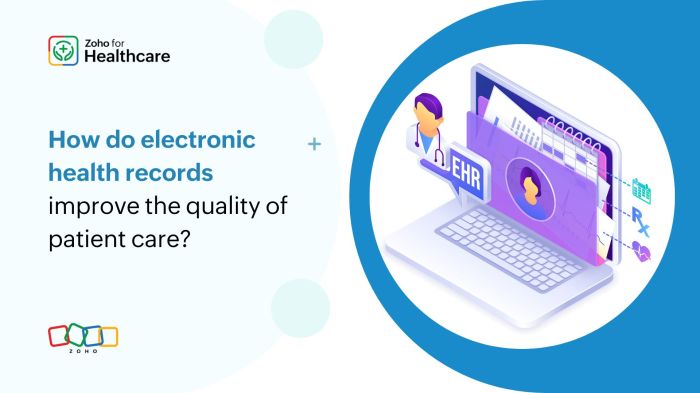
EHRs play a crucial role in empowering patients and fostering better engagement in their healthcare journey. By providing access to their health records and lab results, patients are able to take a more active role in managing their own health.
Patient Access to Health Records and Lab Results
- Patients can easily access their health records and lab results through secure patient portals provided by healthcare facilities.
- This access allows patients to review their medical history, track their progress, and stay informed about their health status.
- Having access to this information empowers patients to make informed decisions about their healthcare and treatment plans.
Impact of Patient Portals in Communication
- Patient portals facilitate better communication between patients and their healthcare providers by allowing secure messaging, appointment scheduling, and prescription refill requests.
- Patients can ask questions, seek clarifications, and share important information with their healthcare team in a timely manner.
- This improved communication leads to better coordination of care and ensures that patients are actively involved in their treatment process.
Patients Taking a More Active Role in Health Management
- With access to their health information, patients can monitor their progress, set health goals, and track their medications and appointments.
- Patients can engage in shared decision-making with their healthcare providers, leading to more personalized and effective treatment plans.
- Being actively involved in their healthcare empowers patients to take ownership of their well-being and promotes a sense of control over their health outcomes.
Privacy and Security Concerns in Electronic Health Records
With the widespread adoption of Electronic Health Records (EHRs), concerns surrounding the privacy and security of patient information have become more prevalent. Ensuring the confidentiality of sensitive data is crucial to maintaining trust in healthcare systems.
Challenges in Privacy and Security of EHRs
- Unauthorized Access: One of the primary concerns is the risk of unauthorized individuals gaining access to patient records, leading to potential misuse of information.
- Data Breaches: EHR systems are vulnerable to cyberattacks, putting patient data at risk of being compromised or stolen.
- Data Integrity: Ensuring the accuracy and integrity of patient information within EHRs is essential for providing quality care and maintaining trust.
Strategies and Technologies for Confidentiality in EHR Systems
- Encryption: Utilizing encryption technologies to secure data both at rest and in transit helps protect patient information from unauthorized access.
- Access Controls: Implementing strict access controls and user authentication protocols can limit who can view or modify EHR data.
- Auditing and Monitoring: Regular auditing and monitoring of EHR access logs can help detect any suspicious activities and ensure compliance with privacy regulations.
Examples of Breaches Highlighting the Importance of Safeguarding EHR Data
- In 2015, a healthcare provider in California experienced a data breach that exposed the personal information of over 4 million patients, emphasizing the need for robust security measures.
- A cyberattack on a major hospital network in 2017 compromised EHRs of thousands of patients, leading to concerns about the vulnerability of healthcare systems to cyber threats.
- Instances of insider threats, where authorized personnel intentionally or unintentionally leak sensitive patient information, have underscored the importance of training and awareness programs for safeguarding EHR data.
Wrap-Up
In conclusion, the impact of EHRs on patient care cannot be overstated. From increased efficiency in healthcare delivery to patient empowerment and engagement, EHRs are reshaping the future of healthcare in profound ways.
Common Queries
What are some key benefits of Electronic Health Records (EHRs) in patient care?
EHRs improve communication between healthcare providers and patients, streamline administrative tasks, and empower patients to take a more active role in managing their health.
How do EHRs contribute to increased efficiency in healthcare delivery?
EHRs streamline administrative tasks like billing and scheduling, reduce medical errors, and save time for healthcare providers.
What are some common concerns regarding privacy and security with EHRs?
Key challenges include safeguarding patient information and ensuring confidentiality. Strategies and technologies are employed to address these concerns.