Exploring the integration of smart homes with solar and battery backup systems, this introduction sets the stage for a discussion on sustainable living.
Providing insights into the benefits and challenges of incorporating renewable energy solutions into modern home design.
Introduction to Integrating Smart Homes With Solar and Battery Backup Systems
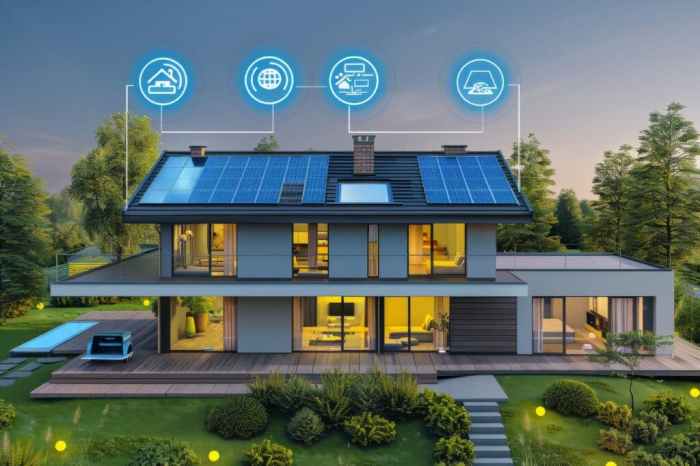
In today's rapidly evolving technological landscape, smart homes have become increasingly popular. These homes are equipped with interconnected devices and systems that can be controlled remotely, offering convenience, security, and energy efficiency.
Integrating solar and battery backup systems into smart homes can significantly enhance their sustainability and energy efficiency. Solar panels harness the power of the sun to generate electricity, reducing reliance on traditional grid power. Battery backup systems store excess energy generated by solar panels for later use, ensuring continuous power supply even during grid outages.
Benefits of Integrating Solar and Battery Backup Systems into Smart Homes
- Increased Energy Efficiency: Solar panels generate clean energy, reducing reliance on fossil fuels and lowering utility bills.
- Energy Independence: By generating and storing their own power, homeowners can become less dependent on the grid and volatile energy prices.
- Environmental Impact: Using renewable energy sources like solar power reduces carbon emissions and helps combat climate change.
Importance of Sustainability in Modern Home Design
Sustainability is a crucial consideration in modern home design due to its impact on the environment and long-term cost savings. By integrating renewable energy sources like solar power and battery backups, homes can reduce their carbon footprint and contribute to a cleaner, greener future.
Advantages of Integrating Solar Power in Smart Homes
Solar power offers numerous advantages when integrated into smart homes. Not only does it provide environmental benefits, but it can also help reduce electricity bills for homeowners. Additionally, solar energy can power various smart devices, making homes more efficient and sustainable.
Environmental Benefits of Using Solar Power
- Solar power is a clean and renewable energy source, reducing the carbon footprint of households.
- By harnessing solar energy, homeowners can contribute to reducing greenhouse gas emissions and combating climate change.
- Using solar power decreases reliance on fossil fuels, promoting a more sustainable energy future.
Reduction in Electricity Bills
- Solar power allows homeowners to generate their own electricity, reducing dependence on the grid and lowering utility bills.
- Excess energy generated by solar panels can be stored in batteries for later use, further cutting down electricity costs.
- Net metering programs enable homeowners to earn credits for excess solar power fed back into the grid, leading to additional savings.
Smart Devices Powered by Solar Energy
- Solar panels can power smart thermostats, helping homeowners optimize energy usage and save on heating and cooling expenses.
- Solar-powered outdoor lights and security cameras enhance home security while being energy-efficient.
- Smart irrigation systems powered by solar energy can efficiently water gardens and landscapes, conserving water and reducing utility bills.
Benefits of Battery Backup Systems in Smart Homes
Battery backup systems play a crucial role in ensuring uninterrupted power supply in smart homes, especially during power outages or grid failures. These systems can store excess solar energy generated by solar panels and use it later when needed, maximizing the efficiency of renewable energy usage.
Additionally, battery backup systems provide a reliable source of power during peak demand times or when electricity prices are high, helping homeowners save on energy costs.
Role of Battery Backup Systems
- Ensures continuous power supply during outages or emergencies.
- Reduces reliance on the traditional grid, increasing self-sufficiency.
- Optimizes the use of solar energy by storing excess power for later use.
Smart Home Applications Benefitting from Battery Backup Systems
- Smart lighting systems that can stay operational during power outages.
- Security cameras and alarms that remain active even when the grid is down.
- Smart thermostats that can maintain optimal temperatures using stored solar energy.
- Home entertainment systems that can continue running without interruption.
Integration Challenges and Solutions
Integrating solar and battery backup systems with smart homes can pose several challenges that need to be addressed for a seamless operation. These challenges include compatibility issues, communication protocols, and system optimization.
Compatibility Issues
One of the major challenges in integrating solar and battery backup systems with smart homes is ensuring compatibility between the different components. Solar panels, inverters, batteries, and smart home devices all need to work together seamlessly to maximize energy efficiency.
- Ensure that the solar panels are compatible with the inverter and battery system to prevent any power loss or damage to the components.
- Check the communication protocols of each system to ensure they can communicate effectively and share data for optimal performance.
- Consult with a professional installer to verify compatibility and avoid any potential issues during the integration process.
Communication Protocols
Another challenge is the communication protocols used by different systems within a smart home setup. The lack of standardized protocols can lead to communication errors and data discrepancies, affecting the overall performance of the integrated system.
- Invest in systems that support open-source communication protocols to enable seamless integration with other devices and platforms.
- Use gateways or hubs to bridge the communication gap between incompatible devices and ensure smooth operation of the integrated system.
- Regularly update firmware and software to stay current with the latest protocols and compatibility requirements for smart home devices.
System Optimization
Advancements in technology have led to solutions for optimizing the integration of solar and battery backup systems with smart homes. These advancements focus on improving system efficiency, monitoring capabilities, and remote access for better control and management.
- Utilize energy management systems that can optimize the usage of solar energy and battery backup power based on real-time data and energy demands.
- Integrate smart home automation platforms that enable remote monitoring and control of energy consumption, allowing users to make informed decisions to maximize energy savings.
- Implement machine learning algorithms to predict energy usage patterns and adjust system settings for optimal performance and efficiency.
Cost Considerations and Return on Investment
When it comes to integrating smart homes with solar and battery backup systems, one of the key factors to consider is the cost implications and the potential return on investment for homeowners.
Initial Costs of Installing Solar Panels and Battery Backup Systems
Installing solar panels and battery backup systems can have significant upfront costs. The price of solar panels varies depending on the size of the system and the quality of the panels. Similarly, the cost of battery backup systems can also add to the initial investment.
Homeowners need to factor in installation costs, permits, and any additional equipment required for a seamless integration.
Long-Term Savings and Return on Investment
Despite the initial costs, integrating solar panels and battery backup systems can lead to substantial long-term savings. By harnessing solar energy, homeowners can reduce their reliance on traditional electricity sources, leading to lower utility bills over time. Additionally, battery backup systems ensure uninterrupted power supply during outages, saving homeowners from costly disruptions.
The return on investment for these systems can be significant, especially as energy prices continue to rise.
Tips for Maximizing Cost-Effectiveness
- Consider the size of your home and energy needs to determine the appropriate size of the solar panel and battery backup system. Oversizing can lead to unnecessary costs.
- Explore available incentives, rebates, and tax credits for renewable energy installations to offset some of the initial costs.
- Invest in high-quality, durable equipment to ensure longevity and minimize maintenance costs in the long run.
- Monitor your energy consumption and production using smart home technology to optimize energy usage and maximize savings.
- Consult with reputable professionals and conduct thorough research to ensure you are getting the best value for your investment.
Case Studies and Examples
Integrating solar and battery backup systems in smart homes has become increasingly popular due to the numerous benefits it offers. Let's take a look at some real-life examples of successful integration and how these systems have made a difference for homeowners.
Example 1: Smart Home in California
In a smart home located in California, solar panels were installed on the roof along with a battery backup system. This integration allowed the homeowners to generate their own electricity during the day and store excess energy for use at night.
As a result, they were able to significantly reduce their reliance on the grid and lower their monthly utility bills.
Example 2: Sustainable Home in Australia
In Australia, a sustainable home was equipped with a sophisticated smart system that not only controlled energy usage but also optimized the operation of solar panels and battery backup. This intelligent system monitored energy consumption patterns and automatically adjusted settings to maximize energy efficiency.
The homeowners saw a drastic reduction in their carbon footprint and enjoyed greater energy independence.
Innovative Technologies Used
- Smart Inverters: These devices optimize the performance of solar panels by adjusting voltage and frequency to match the energy needs of the home.
- Energy Management Software: Advanced software allows homeowners to track energy usage in real-time, identify areas for improvement, and schedule energy-intensive tasks during peak solar production hours.
- Grid-Interactive Systems: These systems enable the seamless transfer of excess energy between the home, the grid, and the battery backup, ensuring a reliable and continuous power supply.
Outcome Summary
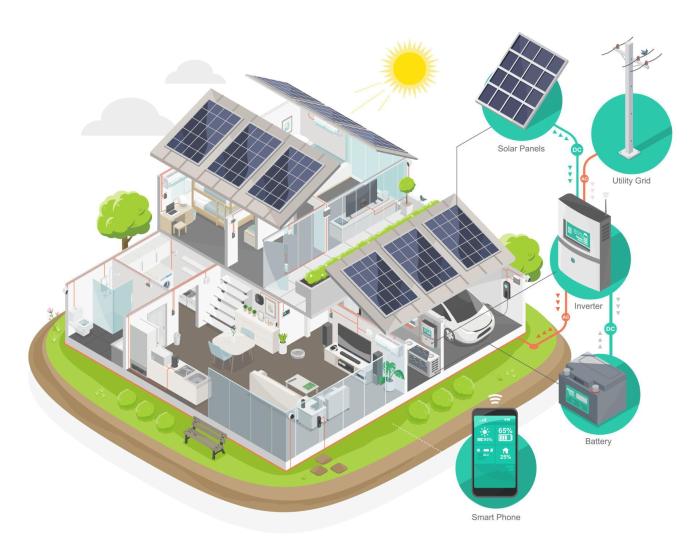
In conclusion, the integration of solar and battery backup systems offers a promising pathway towards energy efficiency and environmental sustainability in smart homes.
Helpful Answers
How do smart homes contribute to sustainability?
Smart homes optimize energy use through automation, reducing overall consumption and promoting eco-friendly practices.
Can solar power completely eliminate electricity bills?
Solar power can significantly reduce electricity bills, but complete elimination depends on factors like energy consumption and system size.
What are some challenges in integrating solar and battery backup systems?
Compatibility issues, initial costs, and storage capacity are common challenges faced when integrating these systems.
How long does it take to see a return on investment for solar and battery backup systems?
The return on investment for solar and battery backup systems typically ranges from 5 to 10 years, depending on usage and energy savings.