As homeowners venture abroad, the need for reliable security measures back home becomes paramount. Real-Time Monitoring Systems for Homeowners Abroad offer a cutting-edge solution to bridge the distance and ensure peace of mind. From video surveillance to motion sensors, these systems provide a comprehensive approach to safeguarding your property.
Let's delve into the world of real-time monitoring and explore the benefits it brings to homeowners living abroad.
Overview of Real-Time Monitoring Systems for Homeowners Abroad
Real-time monitoring systems are technological solutions that allow homeowners to keep track of their property remotely, providing live updates and alerts on various aspects of their home. These systems are particularly crucial for homeowners living abroad, as they offer a sense of security and peace of mind knowing that their property is being monitored constantly, even when they are not physically present.
Key Features and Benefits of Real-Time Monitoring Systems
Real-time monitoring systems come with a range of features that enhance home security and provide homeowners with valuable insights. Some key benefits of these systems include:
- 24/7 Monitoring: Real-time monitoring systems offer round-the-clock surveillance of the property, detecting any unusual activity or potential security breaches.
- Instant Alerts: Homeowners receive immediate alerts on their smartphones or devices in case of emergencies, such as break-ins or fires, allowing for quick response and action.
- Remote Access: With real-time monitoring systems, homeowners can access live video feeds of their property from anywhere in the world, ensuring they can check in on their home at any time.
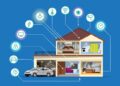
- Integration with Smart Devices: These systems can be integrated with smart devices such as doorbell cameras, smart locks, and motion sensors, creating a comprehensive home security network.
- Peace of Mind: Knowing that their home is being monitored in real-time provides homeowners with peace of mind, allowing them to focus on other aspects of their life without worrying about their property's safety.
Types of Real-Time Monitoring Systems
Real-time monitoring systems for homeowners abroad come in various types, each offering unique features and benefits. One key distinction to consider is whether the system is wired or wireless.
Wired vs Wireless Systems
Wired real-time monitoring systems require physical connections between the sensors, cameras, and the central control unit. This type of system is typically more reliable and less susceptible to interference, but installation can be more complex and may require professional assistance.
On the other hand, wireless systems use radio frequency signals to communicate between components, offering easier installation and flexibility in placement. However, wireless systems may be prone to signal interference and range limitations.
Video Surveillance
Video surveillance is a common feature in real-time monitoring systems, providing homeowners with live footage of their property. This allows them to remotely monitor their home, deter intruders, and review recorded footage in case of incidents. Video surveillance cameras can be placed strategically indoors and outdoors to cover blind spots and vulnerable areas.
Motion Sensors
Motion sensors are another essential component of real-time monitoring systems, detecting movement within the monitored area. When triggered, these sensors can send alerts to homeowners' smartphones or the monitoring service, signaling potential intrusions or unauthorized access. Motion sensors are crucial for enhancing security and alerting homeowners to suspicious activity in real-time.
Environmental Sensors
Environmental sensors are designed to monitor factors like temperature, humidity, and air quality within the home. These sensors provide valuable data to homeowners, allowing them to take preventive measures against potential hazards such as fires, floods, or mold. By detecting abnormalities in environmental conditions, homeowners can address issues promptly and ensure the safety and well-being of their property.
Installation and Setup Process
When it comes to installing and setting up real-time monitoring systems for homeowners abroad, it's essential to follow a step-by-step guide to ensure everything functions correctly. Here's how you can do it:
Choosing the Right System
Before installation, make sure to select a real-time monitoring system that is compatible with your home structure and layout. Consider factors such as the size of your home, the number of entry points, and any specific areas you want to monitor closely.
Installing Sensors and Cameras
- Begin by placing sensors at key entry points such as doors and windows. Follow the manufacturer's guidelines for optimal placement.
- Install cameras in strategic locations to cover the most critical areas of your home. Consider placing them at entry points, high-traffic areas, and areas with valuable belongings.
- Ensure that all sensors and cameras are securely mounted and aligned properly for maximum coverage.
- Test each sensor and camera to ensure they are functioning correctly before finalizing the setup.
Connecting to the Monitoring System
- Follow the instructions provided by the manufacturer to connect the sensors and cameras to the central monitoring system.
- Set up alerts and notifications to receive real-time updates on any activity detected by the system.
- Test the system regularly to ensure it is working correctly and making adjustments as needed for optimal performance.
By following these steps and tips for installation and setup, homeowners abroad can effectively monitor their homes in real-time and enhance security measures from any location
Remote Access and Control
Homeowners can conveniently access and control their real-time monitoring systems remotely, ensuring peace of mind and security even when they are abroad.
Mobile Apps for Monitoring
Many real-time monitoring systems offer dedicated mobile apps that allow homeowners to view live feeds, receive alerts, and manage settings from their smartphones or tablets.
Web Interfaces for Management
In addition to mobile apps, web interfaces provide homeowners with a user-friendly way to access and control their monitoring systems through any internet-connected device with a browser.
Security Measures for Remote Access
- Implementing strong encryption protocols to secure data transmitted between the monitoring system and the remote user.
- Enabling two-factor authentication to add an extra layer of security for accessing the system remotely.
- Regularly updating the system's software to patch vulnerabilities and enhance overall security.
- Setting up secure login credentials and avoiding default passwords to prevent unauthorized access.
- Monitoring access logs and alerts to detect any suspicious activities or unauthorized login attempts.
Alerts and Notifications
Real-time monitoring systems for homeowners abroad offer various alerts and notifications to keep homeowners informed about their property's status. These alerts are crucial in ensuring immediate action can be taken in case of any emergencies or irregularities.
Types of Alerts and Notifications
- Security Alerts: These alerts are triggered by unauthorized entry or suspicious activities detected by sensors or cameras. Homeowners receive notifications on their smartphones or email, allowing them to take necessary steps such as alerting authorities or neighbors.
- Environmental Alerts: Real-time monitoring systems can detect changes in temperature, humidity, or smoke levels, alerting homeowners to potential risks like fire or flooding. This timely notification enables homeowners to prevent extensive damage to their property.
- Utility Alerts: Monitoring systems can also monitor utility usage, such as water leaks, electrical malfunctions, or HVAC system failures. Homeowners can receive alerts about unusual consumption patterns, helping them conserve resources and avoid costly repairs.
Response Mechanisms
Upon receiving alerts, homeowners can choose from various response mechanisms depending on the severity of the situation. These may include remotely controlling devices, contacting emergency services, or notifying local contacts to check on the property.
Benefits of Alerts in Real-Life Situations
- Intruder Deterrence: Alerts from security systems have deterred potential intruders and prevented break-ins, providing homeowners with peace of mind even when they are away.
- Preventing Property Damage: Environmental alerts have helped homeowners prevent extensive damage from water leaks or fires by enabling them to respond promptly and mitigate risks.
- Cost Savings: Utility alerts have allowed homeowners to identify inefficiencies in their systems, leading to cost savings through better resource management and timely repairs.
Data Privacy and Compliance
Data privacy and compliance are crucial considerations when using real-time monitoring systems in a home. These systems collect sensitive data about the homeowners' activities, behaviors, and preferences, making it essential to ensure that this information is protected and used appropriately.
Handling of Sensitive Data
Real-time monitoring systems handle sensitive data, such as video footage, sensor readings, and personal information, to provide homeowners with valuable insights and alerts. To protect homeowner privacy, these systems often use encryption methods to secure data transmission and storage. Additionally, access controls and authentication mechanisms are implemented to regulate who can view or manage the data collected by the system.
Regulatory Requirements
Homeowners need to be aware of regulatory requirements related to data privacy and compliance when using real-time monitoring systems. Depending on the location and type of system used, homeowners may need to comply with laws such as the General Data Protection Regulation (GDPR) in Europe or the California Consumer Privacy Act (CCPA) in the United States.
These regulations govern how personal data is collected, processed, and shared, emphasizing the importance of obtaining consent, ensuring data security, and providing transparency to individuals regarding the use of their data.
End of Discussion
In conclusion, Real-Time Monitoring Systems for Homeowners Abroad serve as a vital tool in modern home security, offering unparalleled peace of mind and remote access. With advanced features like alerts and notification systems, homeowners can stay connected to their property no matter where they are.
Embrace the future of home security with real-time monitoring systems, and never compromise on the safety of your home.
Commonly Asked Questions
How do real-time monitoring systems benefit homeowners living abroad?
Real-time monitoring systems provide remote access to your home security, allowing homeowners to monitor their property from anywhere in the world, enhancing peace of mind.
What types of alerts can homeowners expect from these systems?
Homeowners can receive alerts for activities such as motion detection, door/window opening, or even changes in environmental conditions like temperature or humidity.
Are real-time monitoring systems easy to install?
Yes, most systems come with user-friendly installation guides, and homeowners can set them up without the need for professional assistance.
How do these systems ensure data privacy?
Real-time monitoring systems use encrypted data transmission and secure protocols to protect sensitive information, ensuring homeowner privacy.
Can homeowners customize the alerts they receive?
Yes, homeowners can personalize their alert settings based on their preferences and security needs, ensuring they are informed about specific events.