
As we delve into the realm of Smart Homes: The Future of Comfortable Digilife, we uncover a fascinating landscape where technology seamlessly intertwines with daily living. From enhancing convenience to redefining efficiency, this topic promises a journey filled with innovation and insight.
Let's explore the evolution of smart home technology and its profound impact on our lives.
Introduction to Smart Homes
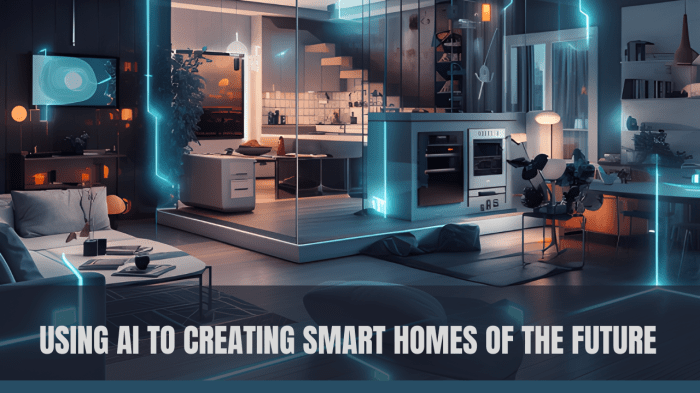
Smart homes refer to houses equipped with technology that allows for the automation and control of various devices and systems, enhancing convenience, comfort, and security for residents. This technology has evolved significantly over the years, integrating advanced features and capabilities that cater to the needs of modern homeowners.
One key concept in smart home technology is the Internet of Things (IoT), which enables devices to communicate and interact with each other through the internet, creating a network of connected smart devices within the home environment.
Evolution of Smart Home Technology
Smart home technology has come a long way since its inception, with innovations such as voice-activated assistants, smart thermostats, automated lighting, and security systems becoming commonplace in modern homes. These advancements have transformed the way we interact with our living spaces, offering greater control, efficiency, and convenience in managing daily tasks and routines.
Internet of Things (IoT) in Smart Homes
The Internet of Things (IoT) plays a crucial role in the functionality of smart homes, allowing devices to connect and communicate over the internet to perform various tasks and functions. This interconnected network enables seamless integration of devices like smart appliances, entertainment systems, and security cameras, providing homeowners with a comprehensive and interconnected living experience.
By leveraging IoT technology, smart homes can offer increased energy efficiency, improved security, and personalized automation to enhance the overall quality of life for residents.
Smart Home Devices and Technologies
Smart homes are equipped with a variety of devices and technologies that work together to make daily life more convenient and efficient. These devices are designed to create a connected ecosystem within the home, allowing for seamless control and automation of various functions.
Popular Smart Home Devices
- Smart Thermostats: Devices that regulate the temperature of the home based on user preferences and schedules, helping to save energy and increase comfort.
- Smart Lighting Systems: Lights that can be controlled remotely or programmed to adjust brightness and color, enhancing ambiance and energy efficiency.
- Security Cameras: Cameras that provide real-time monitoring of the home, allowing homeowners to keep an eye on their property from anywhere.
- Voice Assistants: Devices like Amazon Alexa or Google Home that enable voice control of smart home devices and provide information and assistance.
Connected Ecosystem
These smart home devices work together through a central hub or network, allowing for seamless communication and coordination. For example, a smart thermostat can adjust the temperature based on data from motion sensors or security cameras, while smart lighting systems can be programmed to turn on or off in response to specific triggers.
Role of Artificial Intelligence
Artificial intelligence plays a crucial role in smart home technologies by enabling devices to learn user preferences and adapt to their habits. AI algorithms analyze data from various sensors and devices to optimize energy usage, enhance security measures, and provide personalized recommendations for users.
Benefits of Smart Homes
Living in a smart home offers a wide range of advantages in terms of convenience, efficiency, energy savings, and enhanced security and safety.
Convenience and Efficiency
Smart homes are equipped with devices and technologies that can be controlled remotely, allowing homeowners to manage various aspects of their home from anywhere. For example, smart thermostats can adjust the temperature based on your schedule, smart lighting systems can be programmed to turn on and off automatically, and smart appliances can be operated through voice commands.
This level of automation not only makes daily tasks easier but also helps in saving time and streamlining household chores.
Energy Savings and Reduced Utility Costs
One of the key benefits of smart homes is their ability to save energy and reduce utility costs. Smart thermostats can learn your habits and adjust the temperature accordingly, optimizing energy consumption. Smart lighting systems can dim or turn off lights when not needed, reducing electricity usage.
Additionally, smart appliances are designed to be energy-efficient, further contributing to overall savings on utility bills. These energy-saving features not only benefit the environment but also help homeowners cut down on their monthly expenses.
Home Security and Safety
Smart homes are equipped with advanced security systems that provide homeowners with peace of mind. Smart cameras, sensors, and alarms can detect unusual activity and send alerts to the homeowner's smartphone, allowing for immediate action to be taken in case of a security breach.
Additionally, smart locks can be remotely controlled and monitored, enhancing the security of the home. In terms of safety, smart smoke detectors and carbon monoxide detectors can alert homeowners of potential hazards, helping to prevent accidents and ensure a safe living environment.
Smart Home Automation
In the realm of smart homes, automation serves as a fundamental component that enhances convenience and efficiency for users. By automating various tasks and processes, smart home devices can seamlessly work together to create a more streamlined and interconnected living environment
Customization and Remote Control
Users have the ability to customize their smart home devices according to their preferences and routines. This customization allows for personalized settings that cater to individual needs, such as adjusting lighting, temperature, or security measures. Additionally, the remote control feature enables users to manage their smart home devices from anywhere, providing flexibility and convenience.
Integration of Voice Assistants
Voice assistants like Amazon Alexa and Google Assistant play a significant role in smart homes by enabling users to interact with their devices using voice commands. These voice assistants can control various smart home functions, such as dimming lights, playing music, setting reminders, and even answering questions.
The integration of voice assistants enhances the user experience and adds a layer of accessibility to smart home technology.
Challenges and Concerns with Smart Homes
Smart homes offer a convenient and efficient way of managing our daily tasks, but they also come with their own set of challenges and concerns that need to be addressed.
Privacy and Data Security
Smart home devices are constantly collecting data about our habits, preferences, and routines. This data can be vulnerable to hacking or misuse, raising concerns about privacy and data security. It is essential for smart home owners to take measures to secure their devices and networks to prevent unauthorized access to sensitive information.
Learning Curve and Setup
One of the challenges of adopting smart home technology is the learning curve associated with setting up and configuring the devices. Not everyone is tech-savvy and may struggle with the installation and integration of various smart home systems. This can lead to frustration and difficulties in fully utilizing the capabilities of the smart home ecosystem.
Dependence on Technology
As we become more reliant on technology for everyday tasks, there is a concern about the potential consequences of this dependence. Malfunctions or outages in smart home systems can disrupt our daily routines and leave us feeling helpless without the assistance of automated devices.
It is important to strike a balance between the convenience of smart home technology and the ability to function independently without it.
Future Trends in Smart Home Technology
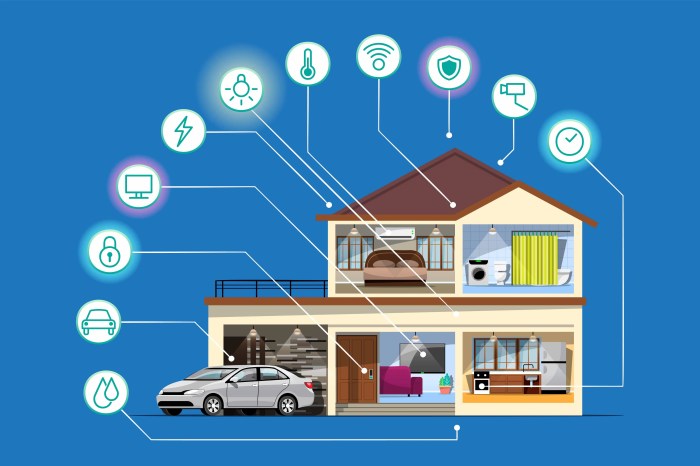
The future of smart home technology holds exciting possibilities for enhancing our daily lives. From integrating augmented reality to making homes more energy-efficient and sustainable, the advancements in this field are set to revolutionize the way we interact with our living spaces.
Integration of Augmented Reality in Smart Homes
Augmented reality (AR) is poised to transform the way we experience our homes. Imagine being able to visualize new furniture or decor in your space before making a purchase, or receiving step-by-step instructions for DIY projects overlaid onto real-world objects.
With AR technology, smart homes will offer immersive and interactive experiences that blur the lines between the physical and digital realms.
Energy-Efficiency and Sustainability
One of the key focuses of future smart home technology is making homes more energy-efficient and sustainable. From smart thermostats that optimize heating and cooling based on usage patterns to solar panels and energy storage solutions, smart homes are becoming more environmentally friendly.
In the coming years, we can expect to see even greater advancements in energy-saving technology that not only reduce our carbon footprint but also help us save on utility costs.
Evolution of Smart Home Technology in the Next Decade
Looking ahead, smart home technology is set to evolve at a rapid pace. We can anticipate the integration of artificial intelligence (AI) for more personalized and intuitive experiences, as well as the growth of interconnected devices that seamlessly communicate with one another.
The next decade will likely bring us closer to fully automated homes that anticipate our needs and preferences, making our lives more convenient and comfortable than ever before.
Final Conclusion
In conclusion, Smart Homes: The Future of Comfortable Digilife offers a glimpse into a future where comfort and technology harmoniously coexist. As we navigate through the complexities and possibilities of smart homes, one thing remains clear - the digital revolution is here to stay, shaping the way we live and interact with our surroundings.
Answers to Common Questions
What are the potential issues with smart homes?
Privacy and data security concerns are common challenges associated with smart homes.
How can smart homes help save energy?
Smart homes optimize energy usage through automated systems and efficient devices.
What role does artificial intelligence play in smart home technologies?
Artificial intelligence enhances the functionality and personalization of smart home devices.