As we delve into The Rise of Wearable Tech in Everyday Digilife, we uncover a fascinating journey through the realms of technology that have seamlessly integrated into our daily lives. From health tracking to connectivity, wearable devices have revolutionized how we interact with the digital world, offering convenience and efficiency at our fingertips.
Wearable Tech Overview
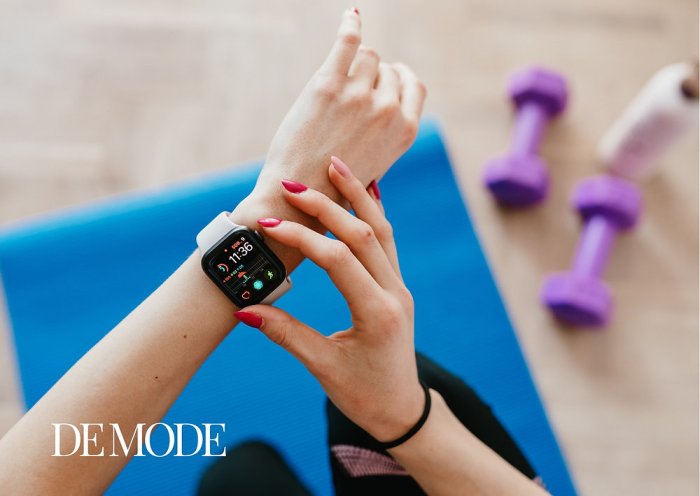
Wearable technology, also known as wearables, refers to electronic devices that can be worn on the body, either as accessories or as part of clothing. These devices are designed to enhance daily activities, monitor health and fitness, provide notifications, and offer convenience in accessing information on the go.
The significance of wearable tech lies in its seamless integration into everyday life, allowing users to stay connected and informed without the need to constantly check their smartphones or other devices.
Types of Wearable Tech
- Smartwatches: These devices offer features such as notifications, fitness tracking, heart rate monitoring, and even the ability to make calls and send messages.
- Fitness Trackers: Designed to monitor physical activity, these devices track steps taken, calories burned, sleep patterns, and other health-related data.
- Smart Glasses: These wearable displays provide information directly in the user's field of view, offering augmented reality experiences and hands-free access to data.
- Health Monitoring Devices: Including devices like smart clothing with biometric sensors, these wearables track vital signs, blood pressure, and other health metrics.
Popular Wearable Devices and Functionalities
- Apple Watch: Known for its comprehensive health tracking features, the Apple Watch can monitor heart rate, ECG, activity levels, and even detect falls.
- Fitbit: A popular fitness tracker, Fitbit devices track steps, distance, calories burned, sleep patterns, and offer personalized insights for improving health and fitness.
- Google Glass: Although not as widely adopted, Google Glass provides users with hands-free access to information, navigation, and communication through a small display in front of the eye.
- Samsung Galaxy Watch: Offering a blend of fitness tracking and smartwatch features, the Samsung Galaxy Watch tracks activities, heart rate, sleep, and also allows for calls and messages when connected to a smartphone.
Evolution of Wearable Tech
The evolution of wearable technology has been a fascinating journey from the past to the present. Key milestones have shaped the rise of wearable tech, transforming it from simple gadgets to sophisticated devices that seamlessly integrate into our daily lives.
Early Wearable Devices vs Modern Ones
- Early wearable devices were bulky and had limited functionality compared to modern ones. They were primarily focused on basic tasks like timekeeping or fitness tracking.
- Modern wearable devices, on the other hand, are sleek, lightweight, and packed with advanced features. They can track fitness metrics, monitor health indicators, provide notifications, and even make payments.
- The design of early wearable devices was often clunky and unappealing, while modern devices are stylish and customizable to suit individual preferences.
- Features such as GPS, heart rate monitoring, sleep tracking, and voice assistants were unheard of in early wearable devices but have become standard in modern ones.
Impact on Daily Life
Wearable technology has revolutionized the way people engage with technology in their daily lives, seamlessly integrating it into their routines and activities. From tracking health and fitness to staying connected on the go, wearable devices have significantly impacted daily life.
Health and Fitness Tracking
- Wearable devices like fitness trackers and smartwatches have made it easier for individuals to monitor their physical activity, sleep patterns, and overall health in real-time.
- These devices provide valuable insights and data that encourage users to make healthier choices and stay motivated to reach their fitness goals.
- Health apps integrated into wearables can track calorie intake, heart rate, steps taken, and even offer guided workouts, making it convenient for users to maintain a healthy lifestyle.
- Wearable tech has also enabled users to set personalized goals, receive notifications, and compete with friends, fostering a sense of community and accountability in their fitness journeys.
Integration into Daily Routines
- While wearable tech offers numerous benefits, integrating it into daily routines can present challenges such as battery life, comfort, and data privacy concerns.
- Users often face the dilemma of balancing the convenience of wearable devices with the need to disconnect and maintain boundaries between work, personal life, and technology.
- Despite these challenges, many have successfully incorporated wearable tech into their daily lives, leveraging its capabilities to enhance productivity, communication, and overall well-being.
- As wearable technology continues to evolve, finding a balance between its seamless integration into daily routines and mindful use will be essential for maximizing its benefits.
Technological Advancements
Wearable technology has seen significant advancements in recent years, particularly in the areas of sensors, battery life, and connectivity. These advancements have revolutionized the way we interact with and benefit from wearable devices.
Sensors
One of the most notable advancements in wearable technology is the improvement of sensors. Wearable devices now come equipped with a wide range of sensors that can track various health metrics such as heart rate, sleep patterns, and even stress levels.
These sensors have become more accurate and reliable, providing users with valuable insights into their overall well-being.
Battery Life
Another key improvement in wearable tech is the enhancement of battery life. Manufacturers have been able to develop batteries that are smaller, yet more powerful, allowing users to enjoy extended usage without constantly needing to recharge their devices. This has significantly improved the convenience and usability of wearable technology in everyday life.
Connectivity
Advancements in connectivity have also played a crucial role in the evolution of wearable tech. Wearable devices now offer seamless integration with smartphones and other smart devices, allowing users to stay connected and access information on the go. The improved connectivity has enhanced the overall user experience and made wearable devices more functional and versatile.
Integration of AI and Machine Learning
One of the most exciting developments in wearable technology is the integration of artificial intelligence (AI) and machine learning algorithms. These technologies enable wearable devices to analyze data in real-time, personalize user experiences, and provide insightful recommendations. For example, AI-powered wearables can learn user habits and preferences to deliver more accurate fitness tracking or health monitoring.
Future Developments
Looking ahead, the future of wearable technology holds even more promising advancements. We can expect to see further miniaturization of devices, improved energy efficiency, and enhanced functionality through advanced AI capabilities. Moreover, the integration of augmented reality (AR) and virtual reality (VR) technologies into wearables could open up new possibilities for immersive experiences in various aspects of daily life.
Ultimate Conclusion
In conclusion, The Rise of Wearable Tech in Everyday Digilife represents a paradigm shift in how we engage with technology, paving the way for a future where innovation and functionality merge seamlessly. Embracing these advancements opens up a world of possibilities and enhancements to our digital lifestyle.
FAQ Explained
How has wearable tech impacted health and fitness tracking?
Wearable tech has revolutionized health and fitness tracking by providing real-time data on activity levels, heart rate, and sleep patterns, enabling users to make informed decisions about their well-being.
What are some examples of popular wearable devices?
Popular wearable devices include smartwatches like the Apple Watch, fitness trackers like Fitbit, and augmented reality glasses like Google Glass.
What are the challenges of integrating wearable tech into daily routines?
Challenges include battery life limitations, data privacy concerns, and the need for seamless integration with existing technology devices.